What Tools Are Used in Cybersecurity Forensics?
In the digital age, cybersecurity forensics has become vital in protecting sensitive data and investigating cybercrimes. This article explores the key tools used by forensic experts to uncover digital evidence and maintain security.
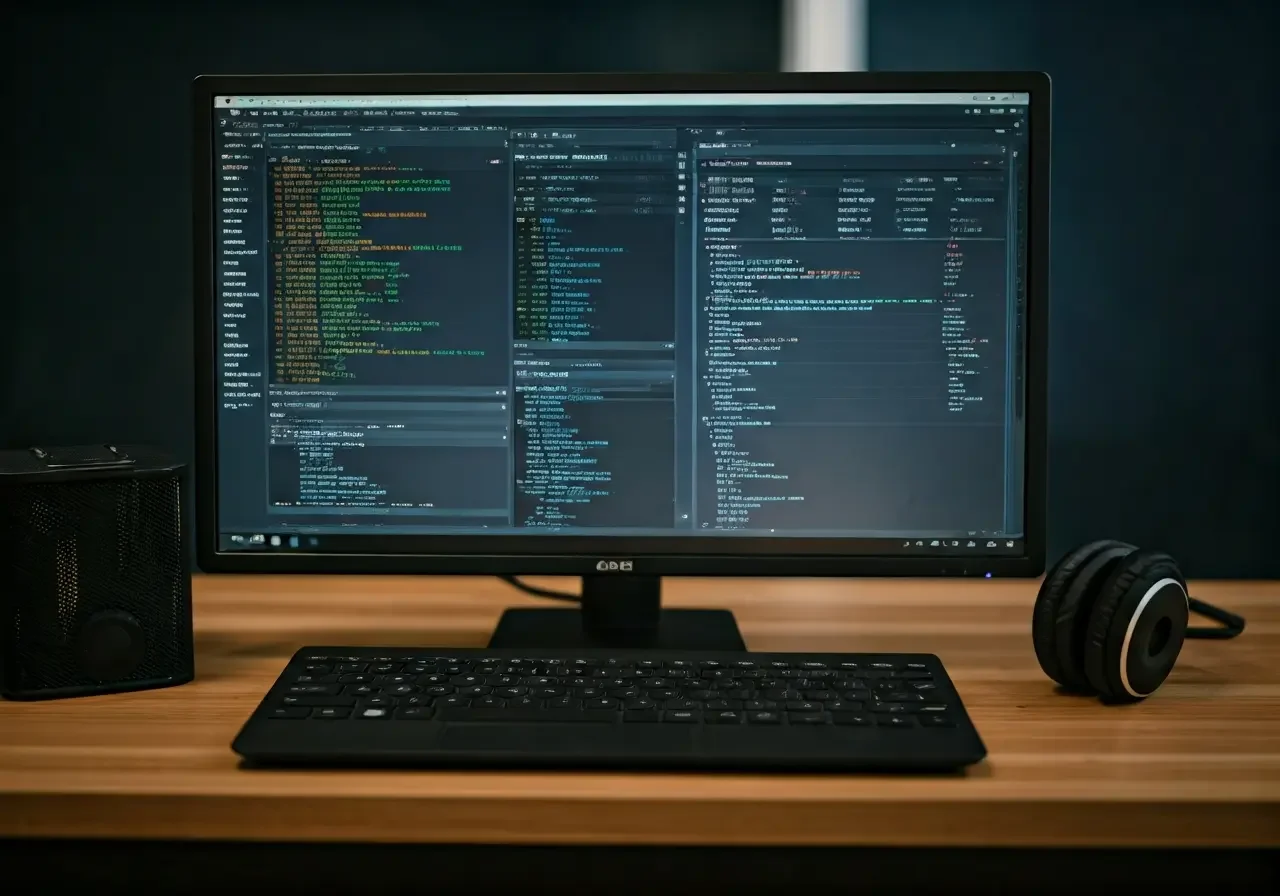
Digital Forensics Software
Digital forensics software is essential in acquiring, analyzing, and reporting on data. Tools like EnCase and FTK are widely used to handle various data types and provide comprehensive insights into digital crime scenes.
By utilizing advanced features, these tools allow forensic professionals to streamline their investigations, making it easier to locate hidden or encrypted files. For instance, EnCase's intuitive interface and powerful search capabilities enable investigators to pinpoint critical data swiftly, ensuring nothing goes unnoticed during the examination process.
FTK, on the other hand, is renowned for its ability to process large volumes of data efficiently. Its integrated visualization options help investigators to understand complex data sets, making it easier to communicate findings to stakeholders. These tools are indispensable in helping professionals maintain thorough and credible investigative practices.
Network Forensic Tools
Forensic experts rely on network forensic tools like Wireshark and NetworkMiner to capture and examine network traffic. These tools help identify suspicious activity and trace the source of cyber threats.
Wireshark is particularly effective in breaking down complex network communications, allowing analysts to filter through the noise and focus on pertinent packets that could contain evidence of malicious behavior. This capability is vital for constructing a timeline of an attack or intrusion, assisting in pinpointing vulnerabilities within the network infrastructure.
NetworkMiner offers deep packet inspection and can seamlessly reconstruct data streams for further analysis. This aids in identifying overlooked connections and data exchanges between compromised and external systems, providing a clearer snapshot of the potential pathways exploited by attackers. With these insights, cybersecurity teams can better strategize their responses and fortifications.
Disk Analysis Tools
Disk analysis tools such as Autopsy and X-Ways Forensics enable experts to recover deleted files and analyze disk images. They are key in tracking file changes and uncovering hidden data.
The appeal of Autopsy lies in its user-friendly interface, which facilitates the organization and examination of thousands of files systematically. It automates many processes, allowing less experienced analysts to yield powerful insights while still offering advanced settings for seasoned investigators to delve deeper into challenging cases.
X-Ways Forensics, known for its precision, provides experts with extensive capabilities to meticulously explore every digital nook and cranny of a system's disk. By leveraging its comprehensive search functions, investigators can identify incriminating evidence within sectors and partitions that might remain inaccessible via traditional methods, thereby enriching the scope and depth of forensic inquiries.
Memory Analysis Tools
Memory analysis tools, like Volatility and Redline, help forensic investigators analyze RAM for valuable insights into running processes and potential malware activities.
As cyber threats become more aggressive and sophisticated, examining volatile memory is indispensable for understanding how malware infiltrates systems. Tools like Volatility enable in-depth analysis of data in live memory, painting a vivid picture of the state of compromised devices at the time of capture.
Redline stands out with its capacity to conduct detailed analyses of suspicious files and processes, spotlighting anomalous behavior in an accessible manner. The utility of these tools in dissecting memory for evidence is crucial for elucidating the systemic effects of cyberattacks and delineating compromised areas warranting further scrutiny.
Mobile Device Forensic Tools
Mobile device forensics is growing in importance. Tools like Cellebrite and MOBILedit allow investigators to extract and examine data from smartphones and tablets, often revealing crucial evidence.
As more populace activities transition to mobile platforms, the significance of mobile device forensics has surged. Cellebrite champions this field with its robust ability to retrieve data, including chats, call records, and app data, often turning smartphones into a goldmine of evidence that can influence the direction of an investigation.
MOBILedit simplifies data extraction tasks, enabling experts to circumvent common security measures like locks and permissions to access pertinent information. This capability is invaluable when time is of the essence, providing key evidence needed to piece together a digital narrative promptly.
Closing Thoughts on Cybersecurity Forensics Tools
Understanding the tools in cybersecurity forensics equips professionals with the necessary skills to investigate and prevent cybercrimes effectively. Utilizing the right combination of software and techniques is crucial to ensuring data integrity and maintaining trust in digital systems.