8 Essential Tools Used in Today’s Forensic Investigation
In the fascinating world of forensic investigation, technology has become an integral partner in solving mysteries and unearthing truths. From crime scenes to the courtroom, various sophisticated tools play crucial roles in piecing together evidence and uncovering the facts. This article delves into the essential tools that modern forensic investigators rely on.
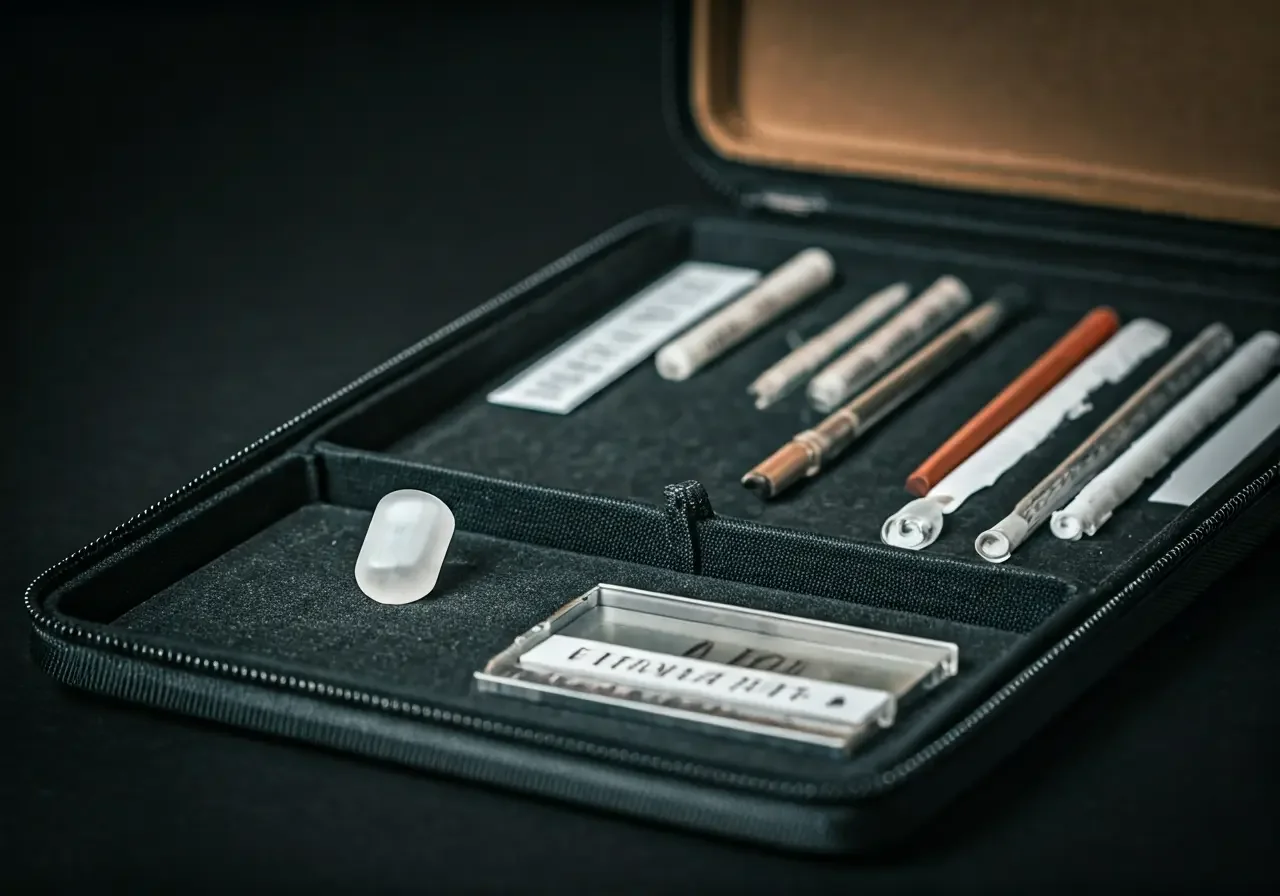
1. DNA Sequencing and Analysis
DNA evidence remains one of the most powerful tools in forensic science, helping to identify individuals with a high degree of certainty. Advanced sequencing machines allow forensic scientists to analyze and compare samples with database profiles, leading to breakthroughs in identifying suspects or exonerating the innocent.
The importance of DNA analysis is underscored by its ability to solve cold cases, where investigators can re-examine evidence using cutting-edge technology. Since the advent of DNA profiling, countless cases have been reopened, and justice has been served. This not only highlights the evolving nature of forensic practices but also underscores the critical role DNA plays in the criminal justice system.
2. Fingerprint Identification Systems
Fingerprint analysis has been a cornerstone of forensic investigation for decades. Modern Automated Fingerprint Identification Systems (AFIS) enable quick and accurate matching of fingerprints against vast databases, providing crucial leads in investigations.
The reliability of fingerprints as unique identifiers cannot be overstated. No two individuals have the same fingerprints, making it a foolproof method in linking potential suspects to crime scenes. This robust accuracy ensures that innocent people are protected while the guilty are apprehended, demonstrating the enduring importance of fingerprint technology.
With advancements in technology, mobile AFIS devices are now available, allowing forensic teams to capture and compare fingerprints on-site. This portability ensures timely results and can be pivotal in time-sensitive investigations. Such advancements ensure that forensic investigations remain dynamic and adaptable to the changing landscape of crime-solving.
3. Digital Forensics Software
With the prevalence of digital devices, digital forensics has become a vital aspect of investigations. Sophisticated software tools help experts recover, preserve, and analyze data from computers, smartphones, and other digital platforms, providing evidence in cybercrime cases and beyond.
In today's digital age, threats often originate from cyberspace. Digital forensics experts are tasked with navigating this virtual world to extract crucial data which can lead to uncovering data breaches and other cybercrimes. Advanced software can trace digital footprints, offering insights into criminal activities that would otherwise go undiscovered.
4. Ballistic Examination Tools
Ballistics experts use specialized equipment to analyze firearms and ammunition. These tools help determine the type of weapon used, match bullets to specific firearms, and reconstruct shooting events, offering valuable insights in criminal investigations.
Ballistic analysis isn't just about matching bullets; it's a deep dive into understanding the trajectory and impact of gunfire. This comprehension can elucidate the circumstances of a shooting incident, providing crucial context that can sway an investigation towards unveiling the truth.
5. Crime Scene Mapping Technology
Accurate mapping and documentation of crime scenes is critical. Technologies like 3D laser scanning and photogrammetry provide detailed visualizations of crime scenes, ensuring that all evidence is meticulously captured and preserved.
These tools allow investigators to create digital replicas of crime scenes, which can be used to revisit the site virtually and examine each detail with precision. This method aids in creating compelling visual presentations for juries, bridging the gap between complex forensic evidence and courtroom understanding.
6. Forensic Toxicology Instruments
Testing for drugs, poisons, and other chemical substances in the body is the realm of forensic toxicology. High-tech instruments such as mass spectrometers analyze biological samples, assisting in determining causes of death or impairment.
The field of toxicology is crucial in removing any ambiguities surrounding cases of unexplained deaths. It provides actionable insights into the substances present in a body's systems at the time of an incident, thereby helping establish cause and effect in otherwise mysterious deaths.
Toxicology reports can be pivotal, especially in cases involving drug interactions or poisoning. The data procured can correlate physical evidence with chemical findings, painting a comprehensive narrative that can significantly influence case outcomes and provide clarity to intricate scenarios.
7. Forensic Facial Reconstruction Software
When other identification methods fail, forensic facial reconstruction can be employed. Advanced software recreates facial features from skeletal remains, aiding in the identification of unknown individuals and solving long-standing cases.
Facial reconstruction not only aids in identifying deceased individuals but can also play a crucial role in creating historical narratives. By providing insights into the physical characteristics of those from the past, forensic methods extend their utility beyond criminal investigations, reflecting the breadth of applicability in forensic science.
8. Portable Forensic Light Sources
Portable light sources reveal hidden evidence like bodily fluids, fibers, and underlining imprints invisible to the naked eye. Forensic investigators use these lights to examine surfaces for critical evidence at crime scenes.
In crime scene forensics, the smallest piece of evidence can lead to significant breakthroughs. The portability of light sources ensures that forensic specialists can bring essential tools directly to the site, identifying and preserving evidence that would otherwise be missed under normal conditions.
These forensic lights can unveil hidden marks on weapons or reveal traces of bloodstains wiped clean, making them indispensable in the initial stages of crime scene investigations. Their utility aids in crafting the narrative of a crime scene from the moment investigators arrive.