Unlocking Hidden Clues: Understanding Mobile Device Forensics in California
In today's digital age, mobile devices are more than just communication tools. They hold a wealth of information that can be crucial in investigations. In California, where technology and innovation lead, understanding mobile device forensics has become essential. This blog will guide you through the basics of mobile device forensics, how it works, and its significance in the Golden State.
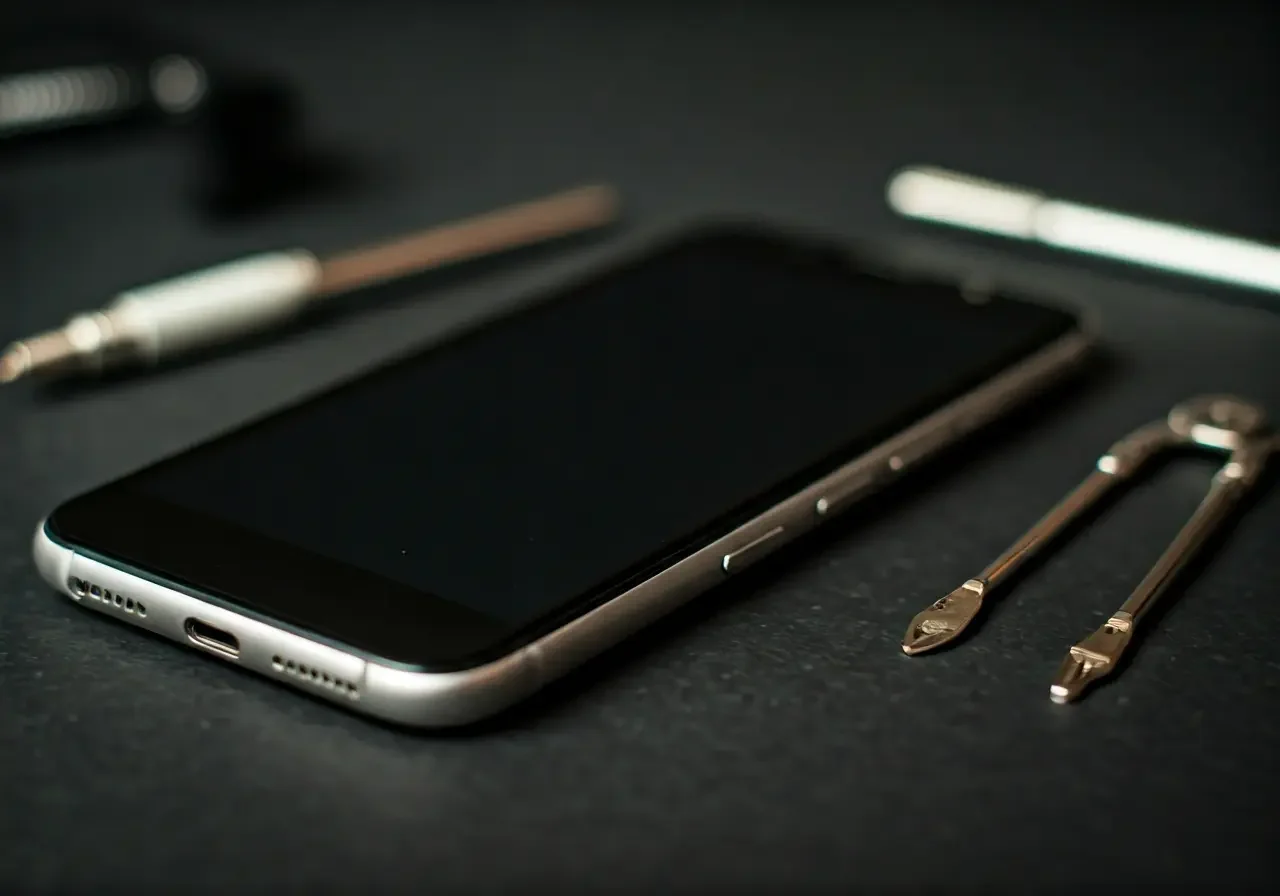
What is Mobile Device Forensics?
Mobile device forensics is the process of recovering and analyzing data from mobile devices. This can include smartphones, tablets, and other portable gadgets. Forensic experts use specialized tools to extract crucial data, which can serve as pivotal evidence in various investigations.
At the heart of mobile device forensics is the ability to delve into the digital lives we live on our phones. From text messages and call logs to photos and GPS data, these digital footprints can tell a compelling story. As we rely more on our phones for everyday tasks, they inadvertently record an intricate diary of our activities. This transformation makes mobile devices a treasure trove for forensic investigations.
An illuminating aspect of mobile device forensics is the variety of data types it can uncover. This ranges from the simple retrieval of text messages and contacts to more advanced data such as application data and even browser history. Furthermore, as applications grow more popular, they store significant data locally, opening further avenues for forensic analysis. Even deleted data is not entirely lost; sophisticated forensic techniques can often resurrect what was seemingly gone forever, showing how remarkable these practices have become.
The Importance of Mobile Device Forensics in California
In a tech-savvy state like California, mobile device forensics plays a critical role in both criminal investigations and civil litigation. The ability to access information stored on mobile devices is invaluable for law enforcement, private investigators, and legal professionals alike.
California, being a hub for technological innovation, sees a unique intersection between technology and law enforcement. The sheer number of tech companies and startups means there's a higher rate of digital interactions, making digital evidence crucial in solving cases. Whether it's a minor civil dispute or a high-profile criminal case, the role of mobile device forensics can't be overstated. It provides the ability to access digital trails, which could be the decisive factor in courtrooms across the state.
Moreover, mobile device forensics extends beyond just solving crimes. It also has applications in corporate investigations where intellectual property theft or unauthorized data access occurs. In California's competitive tech industry, ensuring that company secrets are safe is paramount. This field not only helps solve cases but also acts as a preventive measure, identifying vulnerabilities within a company's digital infrastructure.
From the inception of a case all the way through the trial, mobile device forensics can prove to be a cornerstone in the judicial process. The clarity it provides can often turn the tide, giving juries and judges a clearer picture of events as they unfolded, digitized and stored on digital devices. This is especially important as we consider the myriad of cases that flow through the California legal system every day, each demanding the precise work only forensic technology can offer.
Tools and Techniques Used in Mobile Device Forensics
Various tools and techniques are employed by forensic experts to recover data. This includes both hardware and software solutions. From data carving to secure file extraction, the methods used are continuously evolving to keep up with new mobile technologies.
In the realm of mobile device forensics, staying ahead of technological advancements is key. Investigators use a mix of open-source and proprietary tools to tackle challenges. Popular tools like Cellebrite and Paraben are essential for extracting data, whereas XRY and FTK Imager specialize in data analysis and preservation. These tools are fundamental in bypassing device security to access the data locked within, showcasing the sophistication required in forensic investigations.
Techniques such as logical and physical extraction allow forensic experts to compile data efficiently. Physical extraction involves retrieving all data present on a device, including deleted files, whereas logical extraction focuses on the live data currently accessible by the user. This dual approach ensures that investigators have a comprehensive view of the digital landscape present on a device. Moreover, advanced techniques such as chip-off and JTAG provide deep-level access for difficult-to-extract data, emphasizing the field's innovative approaches to challenges.
Challenges Faced in Mobile Device Forensics
Navigating the world of mobile device forensics is not without its challenges. Encryption, data deletion, and the constant upgrading of device security pose significant hurdles for forensic experts. Yet, overcoming these challenges is essential to unlock the data crucial to investigations.
One significant challenge in mobile device forensics is the rapid progression of operating systems and security updates. As manufacturers develop new firmware to secure devices from intruders, forensic experts must devise new methods to bypass encryption. Newer models often come with built-in encryption, making data extraction even more challenging. This constant cat-and-mouse game between device security and forensic technology requires experts to stay continuously updated.
Another pressing issue is the diversity of devices and platforms. With thousands of models and software versions in circulation, each device can present unique obstacles in data retrieval. This requires a highly adaptable approach to each case, blending both universal methods and bespoke solutions tailored to specific devices. This diversity can turn investigations into highly technical puzzles that need to be solved with precision.
In California, the legal landscape also adds complexity, requiring forensic professionals to not only manage technological challenges but also adhere to strict legal protocols. Ensuring that forensic evidence is extracted, preserved, and presented in a manner compliant with legal standards is crucial. This necessity calls for a marriage of technical expertise with legal knowledge, reinforcing the need for comprehensive education and training in this intricate field.
Embracing the Future of Forensic Technology
Mobile device forensics is an indispensable tool in California's pursuit of justice and truth. As technology continues to evolve, so too does the need for skilled professionals who can navigate this digital landscape. Whether you're a tech enthusiast or a law professional, understanding the intricacies of mobile device forensics can empower you with knowledge to stay ahead in this fast-paced world.