What Tools Are Used in Forensic Imaging for Digital Evidence?
In the world of digital forensics, forensic imaging plays a crucial role in preserving and analyzing digital evidence. This process involves the use of specialized tools to create exact copies of digital media, ensuring that the original data remains intact and unaltered. In this blog, we'll explore the key tools used in forensic imaging and how they contribute to investigations. Whether you're a budding forensic analyst or just curious about the field, you'll find this guide both informative and accessible.
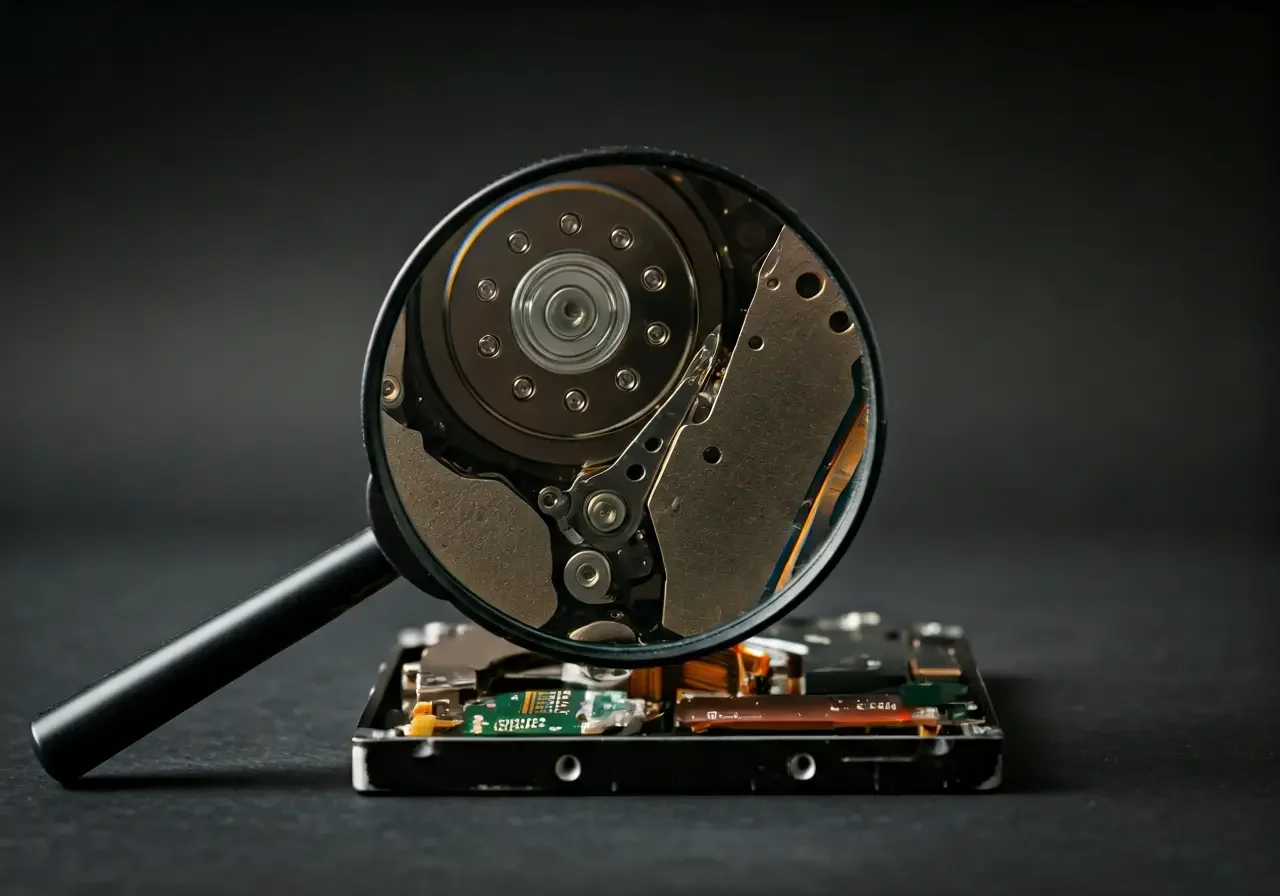
Understanding Forensic Imaging
Forensic imaging is the process of creating an exact digital copy of a storage medium, maintaining the integrity of the original data. This ensures that investigators can analyze the content without compromising the original evidence.
This process is critical in the field of digital forensics, serving as the first step in the investigation workflow. When carried out correctly, forensic imaging allows professionals to dig deeper into the data stored in devices, uncovering critical information that can make or break cases.
Not only does this help in keeping the evidence untainted, but it also facilitates the examination of data that might be hidden or obscured due to various reasons such as encryption or deletion.
Commonly Used Forensic Imaging Tools
Various tools are employed to perform forensic imaging with precision. Understanding these tools is key for anyone looking to enter the field of digital forensics.
Among the most important forensic imaging tools are those designed to handle diverse types of digital media, from traditional hard drives to solid-state drives and even mobile devices. Each of these tools comes with unique features catering to specific needs.
Experienced forensic analysts often pick their tools based not only on the type of media they are working with but also considering the specific requirements of the investigation at hand. This strategic approach ensures optimal results.
Hardware Tools: Protecting Original Evidence
Write blockers are indispensable tools that allow data to be read from a storage device without the risk of alteration. These prevent accidental changes to the original evidence while making a forensic copy.
Docking stations and imaging-forensics-ready workstations are also essential components, providing a stable platform for forensic analysts to connect and analyze various types of storage devices safely and efficiently.
Forensic workstations equipped with advanced capabilities are tailored to support the needs of forensic imaging, making them crucial for ensuring both speed and accuracy in investigations.
Software Tools: Creating Imaged Copies
Software like FTK Imager and EnCase are used to create digital images of data. These tools ensure that the image is an accurate and complete representation of the original storage medium.
In addition to these, tools like X1 Social Discovery have proven to be invaluable for collecting data from social media platforms, which are increasingly becoming a rich source of potential evidence.
Software solutions designed for forensic imaging also include features to handle different file systems and are capable of bypassing encryption, offering comprehensive support for modern forensic challenges.
Analyzing Forensic Images
Once images are created, tools such as Autopsy and Sleuth Kit help forensic analysts examine the data for valuable evidence. These applications offer features that streamline the analysis process and support comprehensive investigations.
Advanced analytical tools allow experts to sift through large volumes of data swiftly, making it easier to identify crucial evidence that may be hidden among seemingly unrelated information.
By leveraging these advanced forensic imaging tools, investigators can derive insights that might otherwise be missed, ensuring a thorough and insightful analysis of the data collected.
Wrapping Up Forensic Imaging Tools
Forensic imaging is an essential component of the digital investigation process, enabling professionals to acquire, preserve, and analyze evidence with accuracy and integrity. By understanding and utilizing the tools mentioned above, forensic experts can ensure that digital evidence is handled properly, helping to build robust cases in the search for justice. Visit our homepage for more information on forensic imaging and our services.